
Core accounting
Ledger work with context, control, and audit trail.
Maintain the chart of accounts, journals, transaction lines, tags, supporting files, posting state, and audit history inside the same finance workspace.
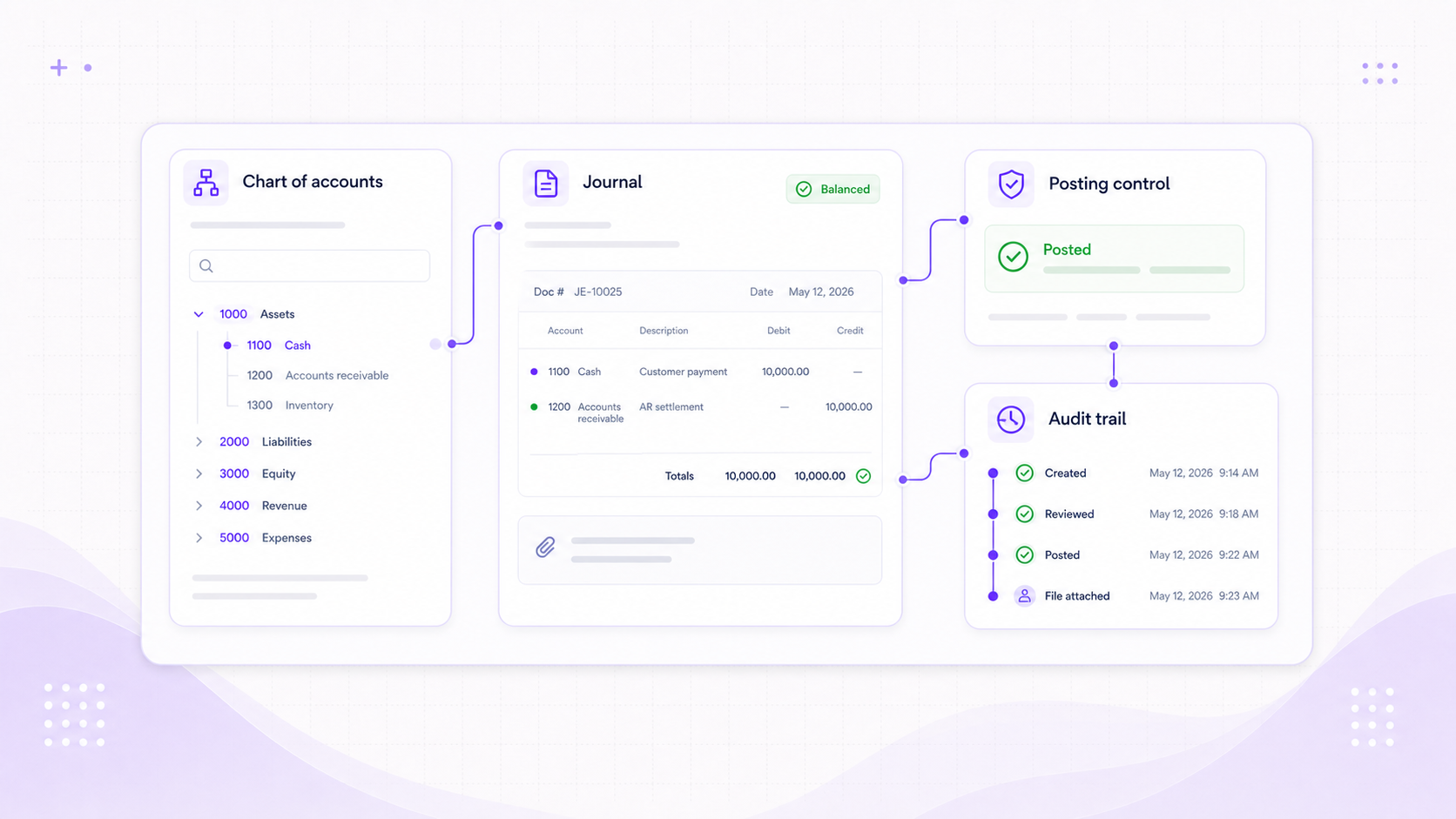
Ledger operating model
Accounting work moves from account structure to posted evidence.
Accounting is the operating layer beneath the wider Foresight ERP product: accounts, journals, transactions, posting, imports, tags, files, and period-aware controls all remain connected.
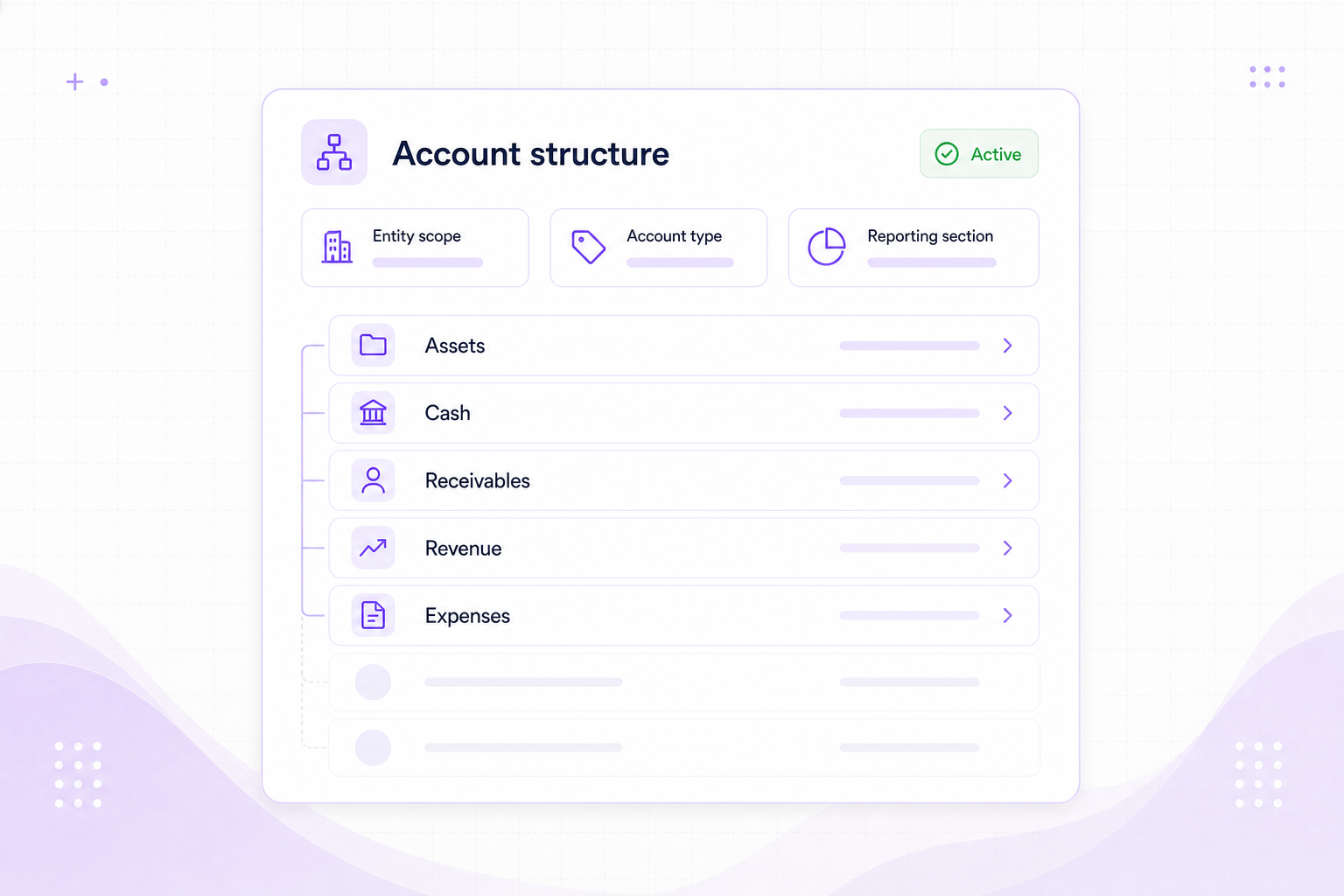
Account structure
Active account codes, account types, entity scope, and reporting sections keep the ledger organised before posting starts.
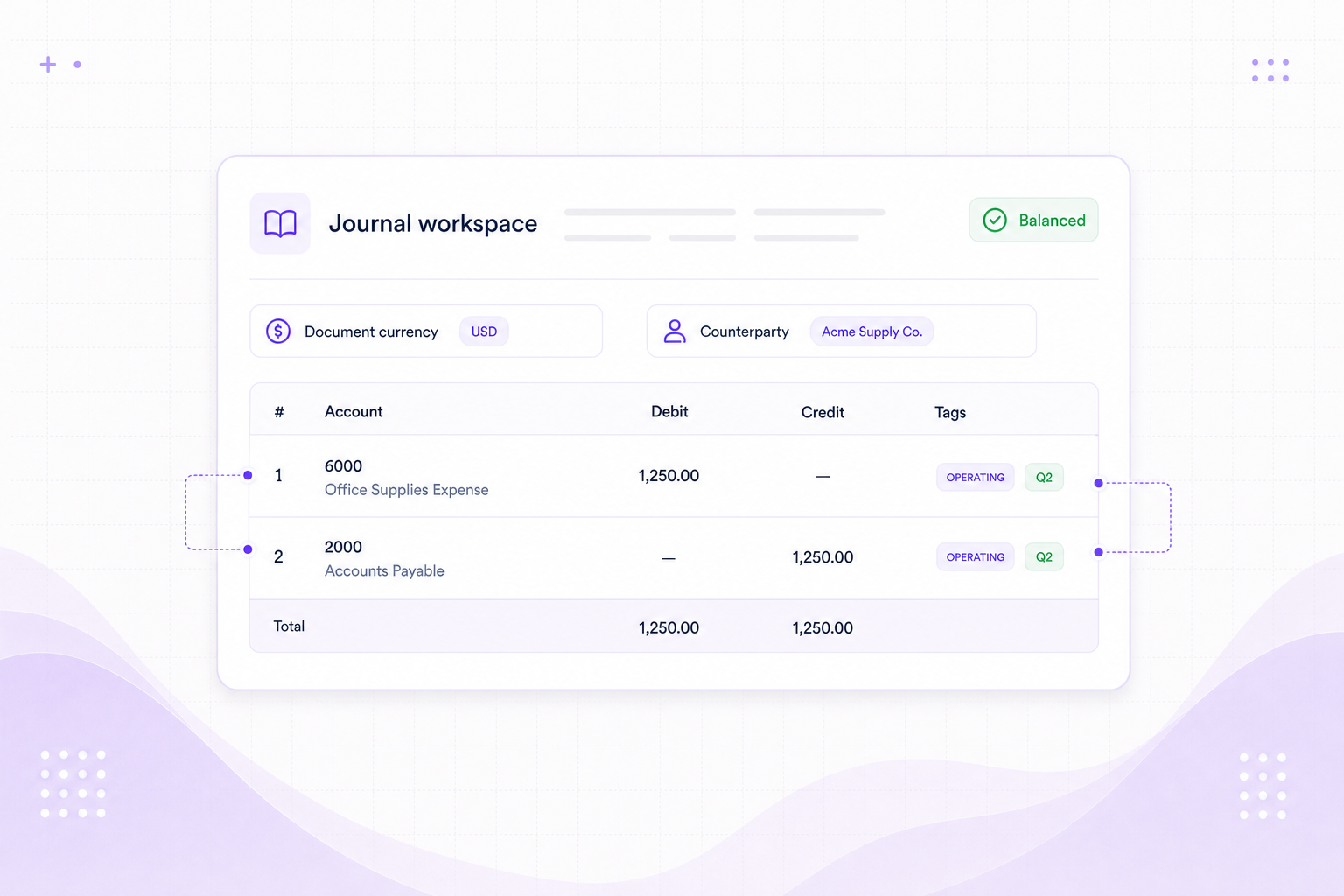
Journal workspace
Balanced debit and credit lines, document currency, counterparty entity, and line tags travel together.
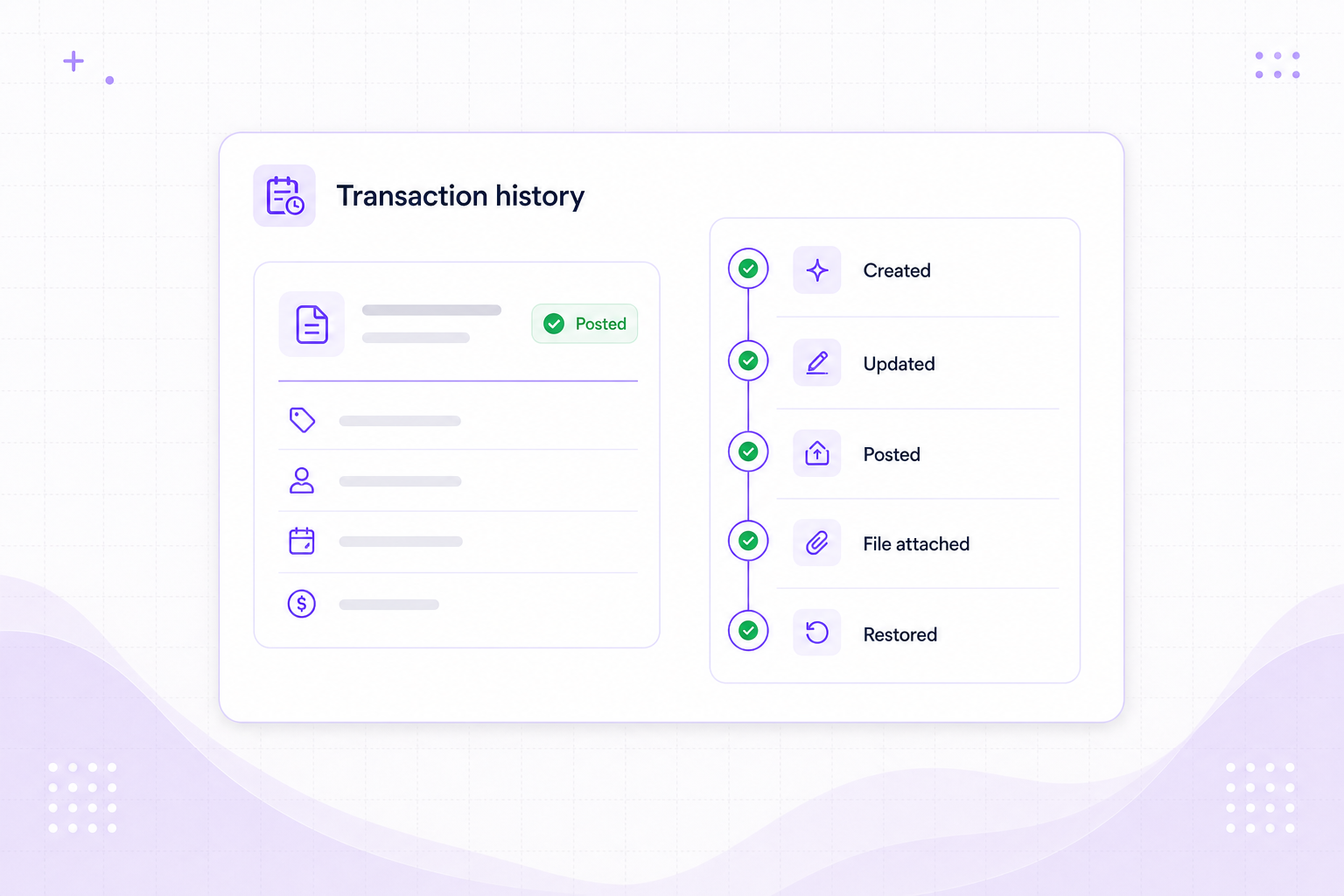
Transaction history
Created, updated, posted, cancelled, restored, duplicated, and file events remain visible after posting.
Control model
Apply the right control at each stage of the finance record.
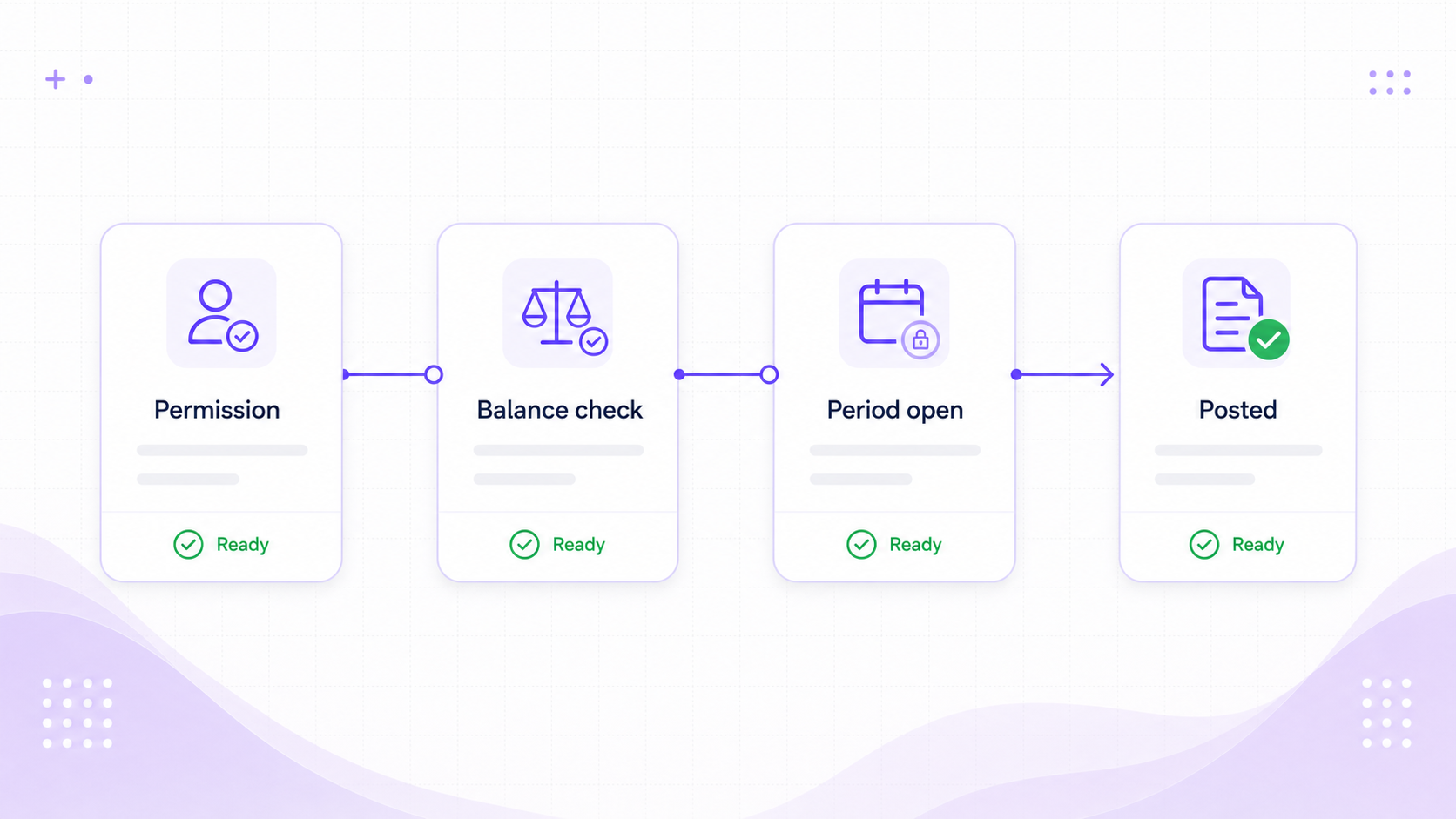
Post
Posting rights and period checks
Transactions respect posting permissions, balance checks, period state, and section locks before they become ledger activity.
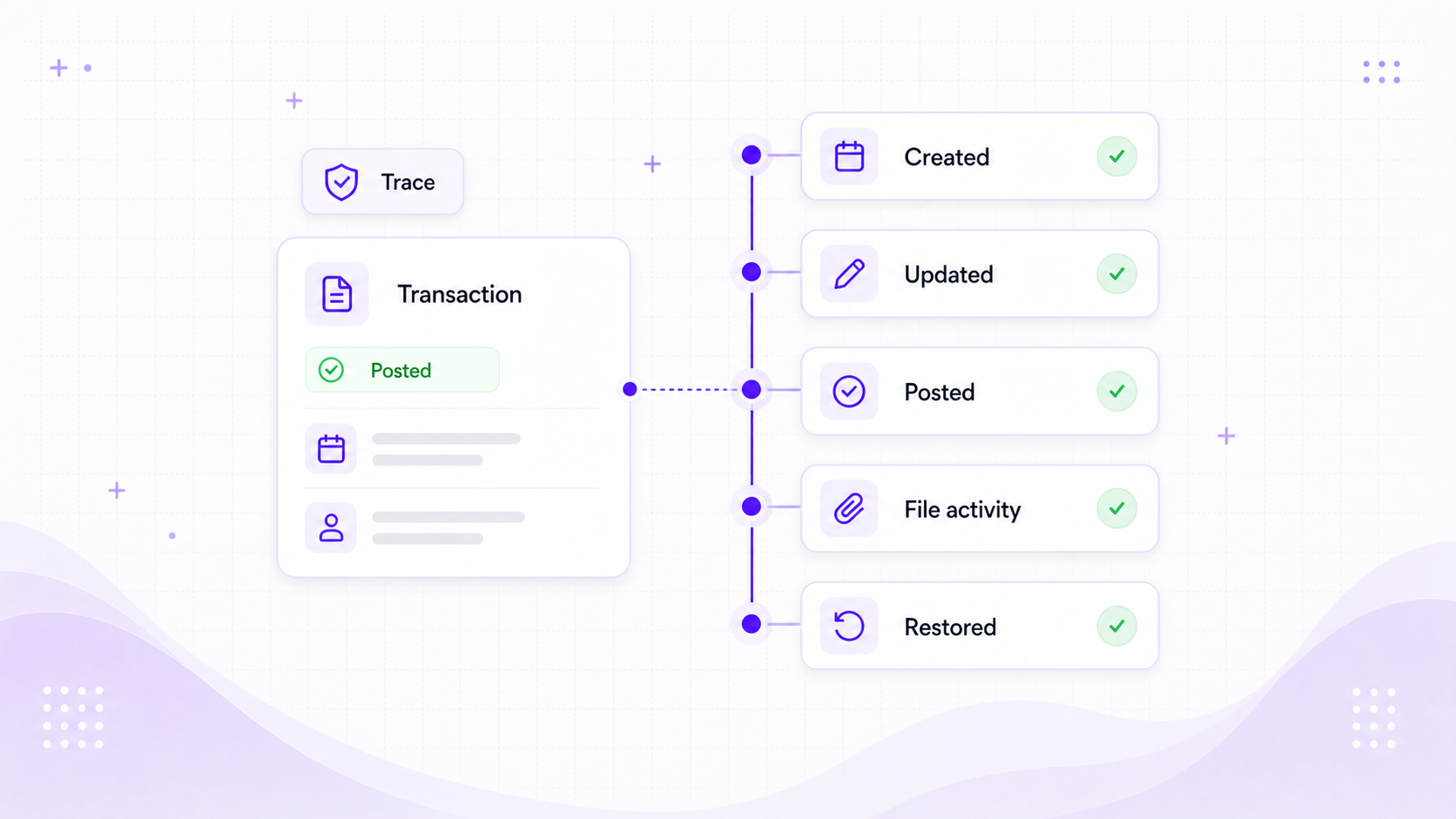
Trace
Audit history by transaction
Creation, update, posting, cancellation, deletion, restoration, duplication, and file activity remain traceable.
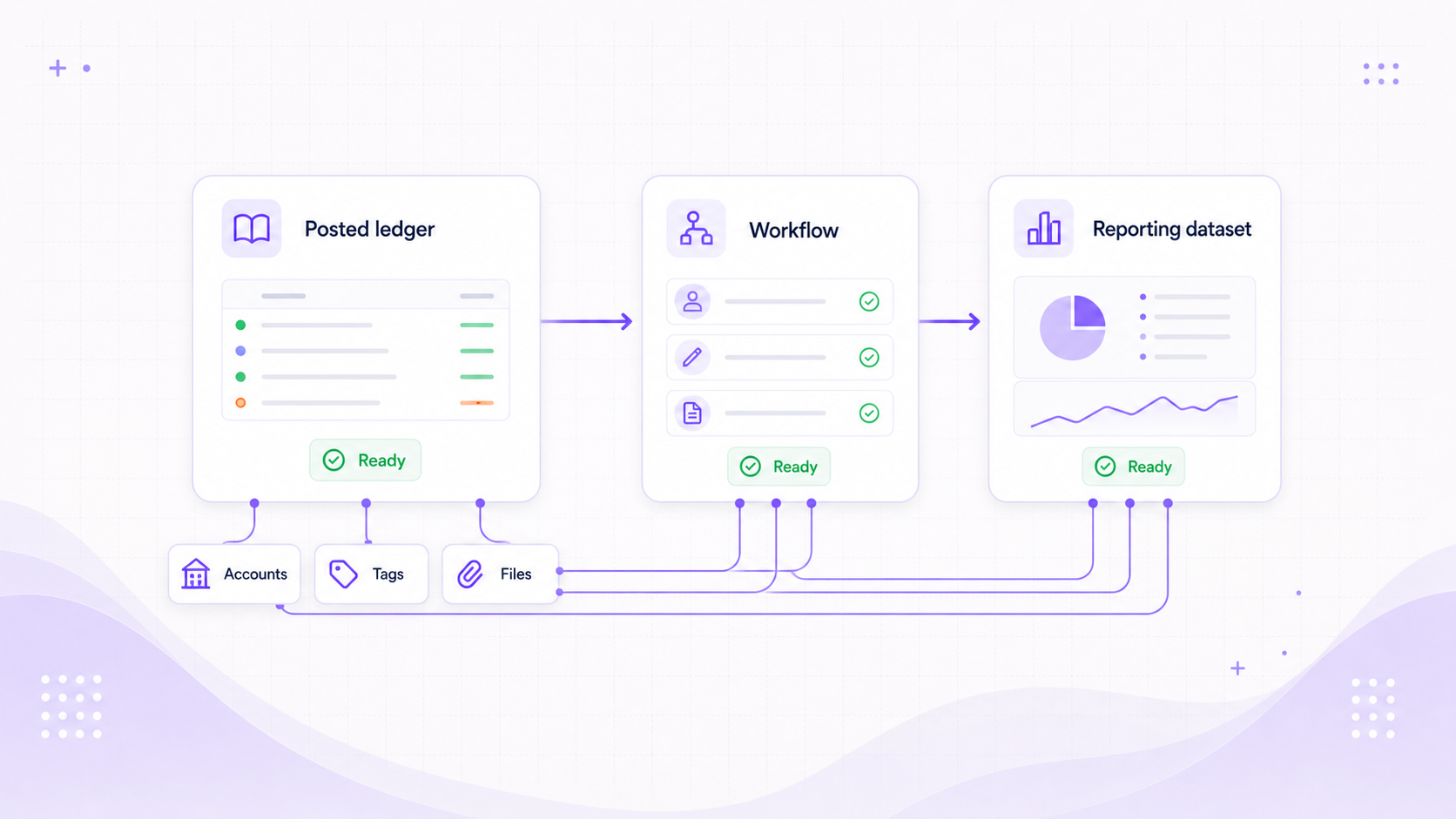
Flow
Workflow and reporting ready
Accounting records can be found by workflows and used by reporting datasets without separating context from the ledger.
Ready for the next finance process
Core finance data that stays useful after the transaction is done.
Cleaner ledger operations
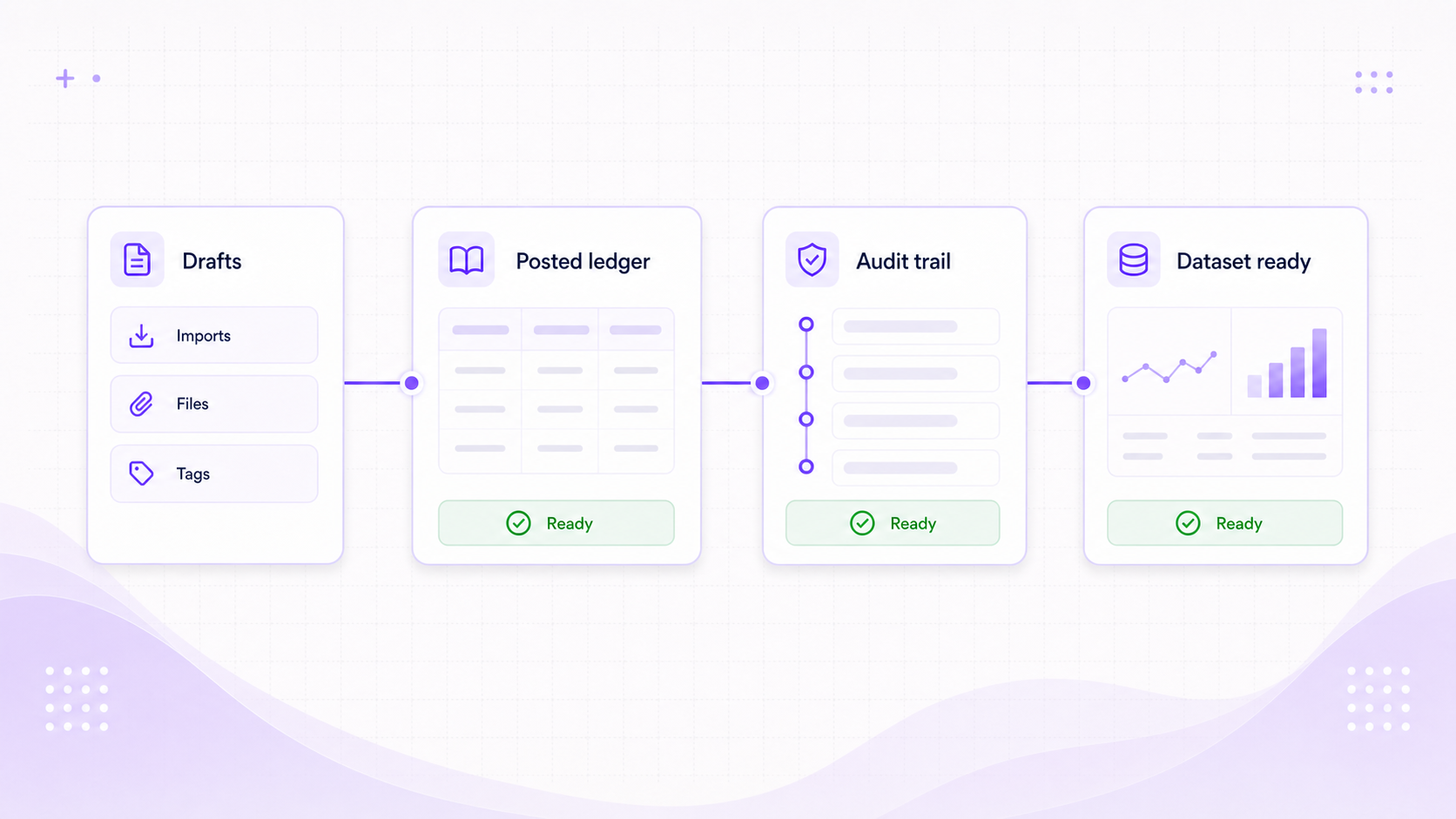
Drafts, imports, files, tags, and posting are managed in one transaction workflow.
Fewer hidden changes
Audit rows and activity history make ledger changes easier to review.
Reporting-ready data
Accounts, transaction lines, metadata, and tags stay structured for dashboards and workflows.
Core accounting
Keep the ledger connected to every finance workflow.
Use Foresight ERP to keep finance operations connected to the workflows, reports, close processes, and controls that depend on them.